

Education, often termed as the cornerstone of a nation’s progress, is a topic of profound importance in India. A country known for its rich history, diverse cultures, and rapid development, India’s education system is a complex tapestry woven with challenges, innovations, and aspirations. In this in-depth exploration, we delve into the intricacies, strengths, and areas of growth within India’s education system.
Historical Roots and Contemporary Landscape
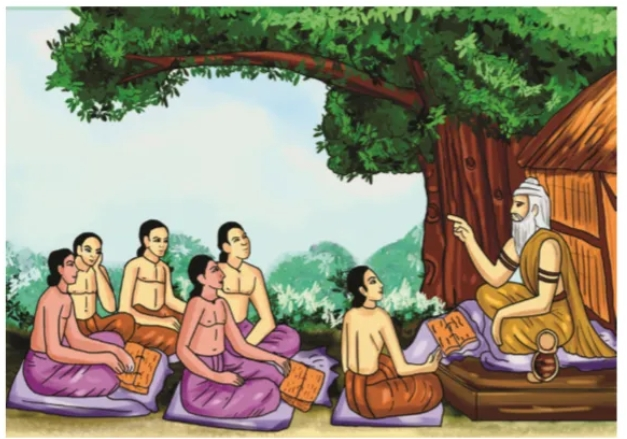
India’s education system has ancient roots, dating back to the Gurukul system, where students lived with their teachers and imbibed knowledge holistically. Today, the system encompasses a mix of public and private schools, colleges, and universities, catering to diverse socio-economic backgrounds and regional differences.
Strengths and Achievements
India boasts a rich pool of intellectual talent that has made significant contributions to various fields globally. From pioneering research in space and technology to excelling in literature and arts, Indian education has nurtured minds that have left an indelible mark on the world.
Challenges on the Path to Excellence
However, India’s education system also grapples with a host of challenges. Issues such as inadequate infrastructure, lack of quality teachers, rote-based learning, and unequal access to education between urban and rural areas persist. These challenges have implications on the quality of education and the overall development of students.
Redefining Pedagogy: Innovation and Reform
In recent years, there’s been a push for educational innovation and reform. Initiatives such as digital classrooms, online courses, and vocational training programs are changing the way students learn and engage with education. The National Education Policy (NEP) 2020 aims to transform the education system, promoting holistic learning and critical thinking.
Higher Education Landscape
India’s higher education landscape boasts renowned institutions like the Indian Institutes of Technology (IITs) and Indian Institutes of Management (IIMs). However, the competition for admission to these institutions often places immense pressure on students. Moreover, the need to balance tradition with modernity in curriculum and teaching methods remains a challenge.
Equity and Inclusion
Promoting equitable education remains a critical objective. Government initiatives like Sarva Shiksha Abhiyan and Mid-Day Meal Scheme aim to ensure access to education for all children. The importance of girl child education is gaining recognition, contributing to societal transformation.
The Way Forward
India’s education system is at a crossroads, with opportunities to reshape its future. Collaborations between public and private sectors, focus on skill development, teacher training, and harnessing technology can bridge the gap between potential and actual outcomes.
Conclusion: Illuminating Minds, Igniting Change
As India strides forward, its education system stands as a beacon of hope, fostering the potential of millions of young minds. The evolution of this system will determine the trajectory of the nation’s progress. Through comprehensive reforms, inclusive policies, and collective efforts, India can forge an education system that not only imparts knowledge but also nurtures critical thinking, creativity, and global excellence.
Education, the catalyst for empowerment and societal transformation, has the power to shape India’s destiny. Let us collectively envision an education landscape that empowers learners to dream, innovate, and contribute to a brighter future for all.